Choosing the right topsoil is crucial for establishing a thriving garden that flourishes throughout the seasons. Quality topsoil acts as the foundation for your plants, providing essential nutrients, enhancing drainage, and promoting healthy root development. Understanding the specific needs of your garden can dramatically impact your success as a gardener. With a variety of options available, it’s essential to know how to select the best topsoil tailored to your gardening goals.
In this blog post, we will guide you through the critical factors to consider when selecting topsoil, ensuring that you make an informed choice. From assessing soil composition to understanding the local environment, we’ll provide expert tips to help you discover how to select the best topsoil for your gardening needs. Whether you are starting a vegetable patch, flower bed, or landscaping project, knowing what to look for will set you on the path to gardening success.
Understanding the importance of topsoil for your garden
Topsoil is the uppermost layer of soil, rich in nutrients and organic matter, making it essential for plant health and growth. It serves as the foundation for your garden, affecting everything from soil structure to water retention. Without quality topsoil, even the most diligent gardening efforts can fall short, resulting in poor plant growth and diminished yields. By choosing the right topsoil, you create a thriving environment for your plants, ensuring they have access to the nutrients they need to flourish.
Moreover, quality topsoil enhances soil structure, providing a well-balanced mixture of sand, silt, and clay that supports root development. It aids in moisture retention, allowing your plants to withstand periods of drought while also facilitating proper drainage to prevent overwatering. Understanding the role of topsoil in your garden's ecosystem is crucial, as it sets the stage for your gardening success. Investing in the right topsoil can lead to a vibrant and productive garden, ultimately maximizing the potential of your green space.
Key factors to consider when selecting topsoil
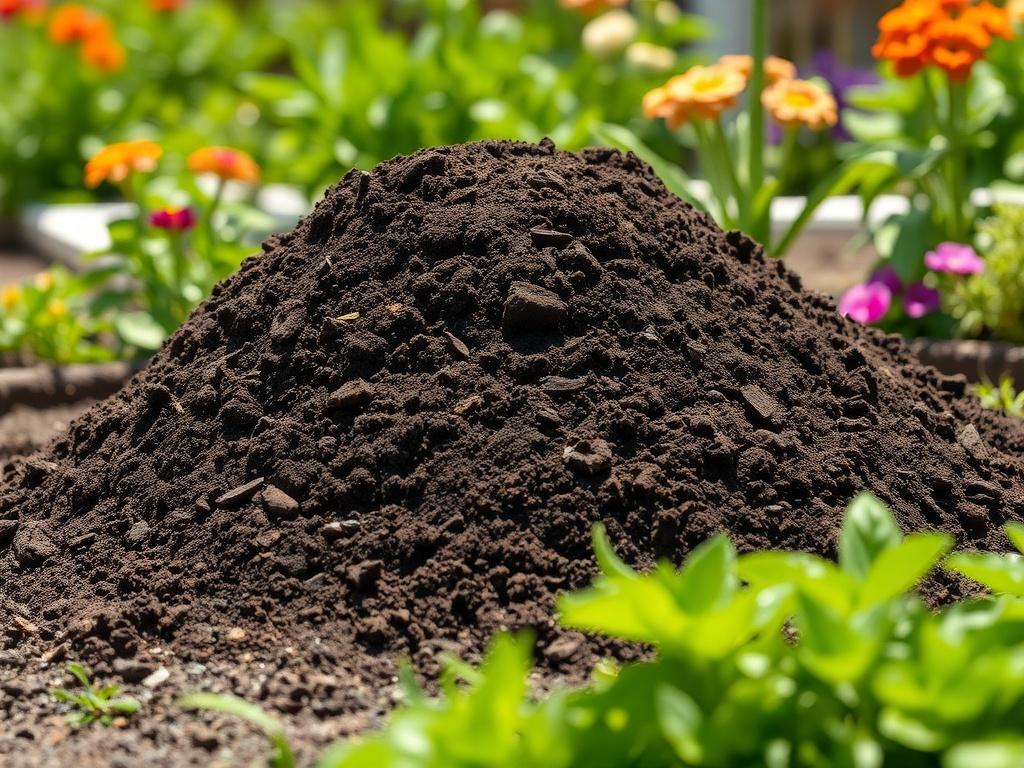
When selecting topsoil for your garden, consider its texture, composition, and pH levels to ensure it meets your plants' needs. A well-balanced topsoil should contain a mix of sand, silt, and clay, resulting in good drainage while retaining essential moisture. Take the time to evaluate the soil's organic matter content, as this significantly impacts nutrient availability and microbial activity. Look for topsoil that boasts a dark, crumbly texture, which indicates a rich supply of organic material that will support healthy plant growth.
Another crucial factor to consider is the presence of contaminants or harmful pathogens in the topsoil. Always source topsoil from reputable suppliers who can provide information about its origin and any amendments it might have undergone. Performing a moisture test can help you determine how well the soil retains water, which is vital for plant health. Additionally, you may want to consider the topsoil's pH level, as different plants thrive in specific pH ranges. Use a simple soil test kit to find out the pH of the topsoil you're considering, ensuring it aligns with the needs of your garden.
Expert tips to discover the best topsoil for your gardening needs
When selecting topsoil, always prioritize quality over quantity. Look for soil that is rich in organic matter, as this ensures good drainage and nutrient retention. Conduct a visual inspection by checking for a dark, crumbly texture, which indicates a healthy mix of humus and minerals. You might also consider purchasing a soil test kit to evaluate pH levels and nutrient content. With this information, you can make informed choices tailored specifically to your plants' requirements, ensuring a thriving garden environment.
Experiment with different types of topsoil to find the perfect match for your gardening goals. If you’re growing vegetables, organic topsoil often yields the best results, as it typically contains beneficial microorganisms. For flower gardens, consider a topsoil blend designed specifically for flowering plants, often enriched with additional nutrients. Don't hesitate to consult local gardening experts or workshops to gather insights about area-specific soil characteristics. Engaging with the community can lead to fruitful discussions, helping you discover invaluable tips for selecting the best topsoil for your gardening needs.